
NextGen Primary Care Clinica Hispana Walk-in Clinic & Urgent Care
January 24, 2026
Visiting an urgent care clinic can feel stressful—especially when you’re dealing with pain, illness, or an unexpected injury. Knowing exactly what to bring with you can make the process smoother, faster, and less overwhelming. Whether you’re visiting urgent care for yourself or a family member, preparation can save time and help healthcare providers deliver the best possible care.
For residents of Gulfton, walk-in medical services are an essential part of staying healthy. Clinics like NextGen Primary Care Clinica Hispana Walk-in Clinic & Urgent Care are designed to treat non-life-threatening medical issues quickly and efficiently. Still, even in a walk-in setting, arriving prepared can significantly improve your visit.
This in-depth guide explains everything you should bring with you to an urgent care visit, why each item matters, and how being prepared benefits both you and your healthcare provider.

Why Preparation Matters for an Urgent Care Visit
Urgent care clinics bridge the gap between primary care and emergency rooms. They are built for convenience and speed, but they still rely on accurate information to diagnose and treat patients properly.
Being prepared helps to reduce check-in and waiting time, avoid delays in diagnosis or treatment, prevent repeat visits due to missing information, ensure accurate billing and insurance processing, and improve communication between you and medical staff.
In busy neighborhoods like Gulfton, where walk-in clinics serve many patients daily, having your documents and information ready helps keep care efficient for everyone.
Essential Items to Bring to Urgent Care
Government-Issued Photo Identification
A valid photo ID confirms your identity and ensures that your medical records are accurate. This is especially important if you’ve visited the clinic before or if records need to be shared with another healthcare provider.
Examples of acceptable IDs include a driver’s license, state-issued ID card, passport, or school ID for minors when applicable. If you are bringing a child or someone you care for, you may also need your own ID to confirm guardianship or authorization.
Health Insurance Card (If Applicable)
While urgent care clinics often accept self-pay patients, bringing your insurance card helps the clinic verify coverage quickly, reduce out-of-pocket costs, and process claims accurately.
You should bring a physical insurance card, a digital copy on your phone if accepted, and any secondary insurance card if applicable. If you don’t have insurance, many clinics offer transparent self-pay pricing, but having payment information ready still helps speed things up.
Payment Method
Urgent care visits usually cost less than emergency room visits, but there may still be fees for services, tests, or medications. Bringing a payment method ensures there are no delays at discharge.
Commonly accepted payment types include credit cards, debit cards, health savings account cards, and flexible spending account cards. If you’re unsure about costs, staff can often provide estimates before treatment begins.
Medical Information You Should Have Ready
List of Current Medications
Medications can affect diagnoses, treatments, and prescriptions. Some drugs interact negatively with others, and certain symptoms may be side effects of medications you’re already taking.
Your list should include prescription medications, over-the-counter drugs, vitamins, supplements, dosages, and frequency. You can bring medication bottles or keep a written or digital list on your phone.
Known Allergies
Allergies to medications, foods, or environmental triggers can be serious if not documented. Informing urgent care staff about allergies helps prevent adverse reactions.
Be sure to mention allergies to antibiotics such as penicillin, pain medications, latex, foods, and environmental or seasonal triggers. Even mild allergies are important to disclose.
Brief Medical History
You don’t need to bring your entire medical file, but having a general understanding of your health history helps clinicians make informed decisions.
Helpful information includes chronic conditions like diabetes or asthma, recent surgeries or hospitalizations, ongoing treatments, and past injuries related to your current issue. This is especially useful if you’re visiting urgent care for a flare-up of an existing condition.

Documents for Specific Situations
Paperwork for Minors
If you’re bringing a child to urgent care, preparation is especially important. Clinics need to confirm guardianship and medical consent.
You may need to bring the child’s insurance card, identification if available, immunization records if relevant, and a consent form if you are not the legal guardian. Having these documents helps ensure prompt care.
Work-Related Injury Information
If your visit is related to a workplace injury, additional documentation may be required to ensure proper billing and reporting.
Helpful items include your employer’s name and contact information, a workers’ compensation claim number if available, and an incident report or clear description of how the injury occurred.
Accident or Injury Details
If you’re being treated for an injury, medical staff may need to know how it happened to assess severity and rule out complications.
Prepare information such as the time and location of the injury, how it occurred, symptoms since the incident, and any first aid already performed. Clear details help clinicians decide on appropriate treatment or referrals.
Practical Items That Can Make Your Visit Easier
Comfortable Clothing
Wear loose, comfortable clothing that allows easy access to the affected area. This can make exams, imaging, or treatment more efficient.
Examples include short sleeves for arm injuries, loose pants for leg or knee pain, and shoes that are easy to remove. Comfort can also help reduce stress during the visit.
Personal Items and Support Needs
Although urgent care is typically faster than emergency rooms, wait times can vary. Bringing a few personal items can make the visit more manageable.
Useful items include your phone and charger, glasses or hearing aids, a list of questions or concerns, and water or snacks if allowed. For children, a small toy or book can help keep them calm.
Information to Share During Check-In
Make sure the clinic has your correct phone number, email address, and mailing address so you receive test results, follow-up instructions, or billing information without issues.
You may also be asked for an emergency contact. Having this information ready is helpful, especially for minors or elderly patients.
What You Don’t Need to Bring
You usually don’t need to bring full medical records, referral letters, appointment confirmations for walk-in visits, or extensive paperwork. Urgent care clinics are designed to be accessible even if you don’t have everything on hand.
NextGen Primary Care Clinica Hispana Walk-in Clinic & Urgent Care Serving the Gulfton Community and Beyond in Houston
NextGen Primary Care Clinica Hispana Walk-in Clinic & Urgent Care is dedicated to serving the diverse needs of the local community of Houston, including individuals residing in neighborhoods like Gulfton. With its convenient location near landmarks such as the Burnett Bayland Park and major intersections like Gulfton St. and Rampart St. (coordinates: 29.716703999287475, -95.48863238108788), we offer Ambetter urgent care services.
Get Ambetter Urgent Care Services At Gulfton Now
Navigate from Gulfton to NextGen Primary Care Clinica Hispana Walk-in Clinic & Urgent Care Now
How Being Prepared Improves Your Care Experience
When you arrive prepared, healthcare providers can focus on what matters most—your health. Clear information allows them to diagnose conditions accurately, avoid medication interactions, provide appropriate treatment quickly, and give better follow-up instructions.
In a community like Gulfton, where walk-in clinics play a vital role in accessible healthcare, preparation benefits both patients and providers.
FAQs
1. Can I visit urgent care without insurance?
Yes. Most urgent care clinics accept self-pay patients. Bringing a payment method and asking about pricing upfront can help you understand costs before treatment.
2. What if I forget my ID or insurance card?
You may still be seen, but your visit could take longer. Clinics might request alternative identification or delay insurance processing.
3. Do I need an appointment for urgent care?
No. Urgent care clinics are designed for walk-in visits. Being prepared with documents and information helps speed up the process.
4. Should I bring my child’s vaccination records?
It’s not always required, but it can be helpful, especially if immunization history is relevant to the illness or injury.
5. How long does an urgent care visit usually take?
Most visits are completed within an hour, depending on the issue, required tests, and patient volume. Preparation can significantly reduce delays.

Related Posts

What Services Does a Family Clinic Provide for Patients of All Ages?
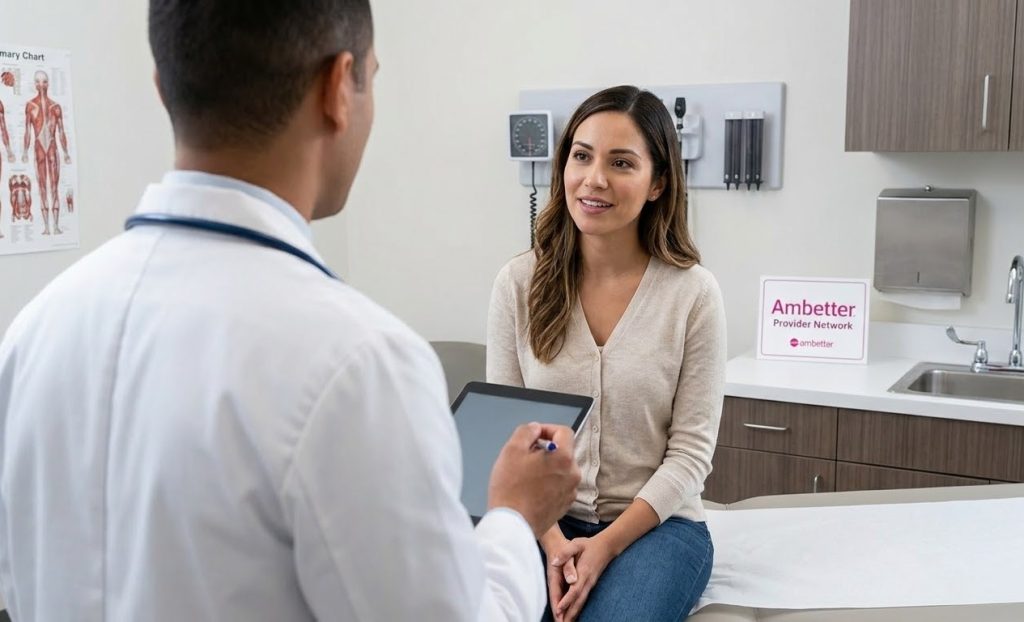
Why Many Patients Choose Ambetter Accepted Doctors For Primary Care
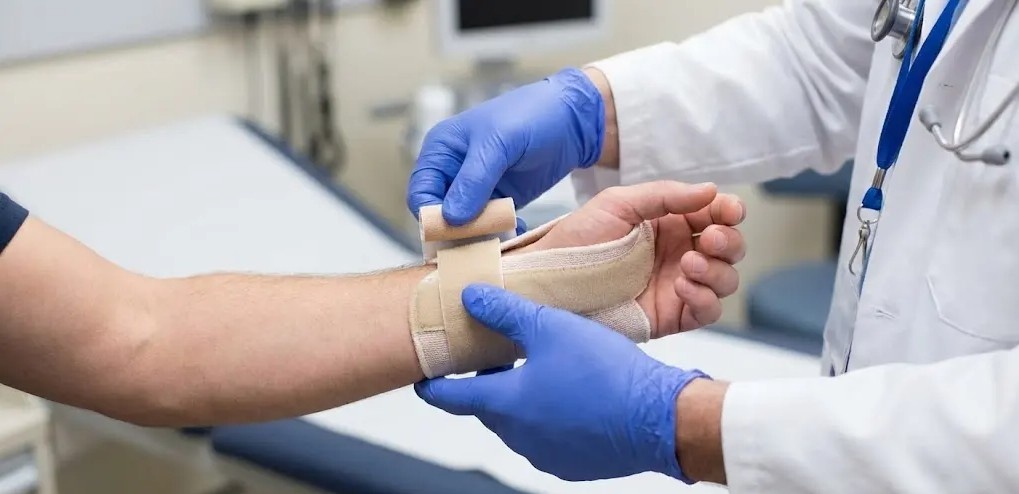
Can A No Appointment Doctor Treat Minor Injuries
Walk In Anytime. We’re Ready
Whether it’s a sudden illness, minor injury, or something that just can’t wait — we’re here to provide fast, compassionate care when you need it most. No long waits, no unnecessary stress — just quality healthcare, right when it matters.
Convenient
Location
Call or Walk-In.
No Appointment Needed
Extended Hours,
7 Days a Week