
Can Urgent Care Treat Sports-Related Injuries Quickly?
January 21, 2026
Sports injuries rarely give advance notice. One moment you are active and moving, and the next you are dealing with pain, swelling, or limited motion that disrupts your routine. When this happens, speed matters. People want answers, relief, and reassurance without unnecessary delays.
For individuals and families in the Mid West, urgent care has become a dependable option for fast evaluation and treatment of sports-related injuries. Urgent care combines accessibility with medical expertise, offering a practical solution when injuries are painful but not life-threatening. Understanding how urgent care works can help you make confident decisions when injuries occur.

Understanding Sports-Related Injuries
Sports-related injuries refer to physical damage that occurs during exercise, athletic participation, or recreational activity. These injuries can affect muscles, bones, joints, ligaments, and tendons, and they range from mild to severe.
Common Injuries From Recreational and Competitive Sports
Sports injuries are not limited to professional athletes. They frequently occur during casual activities such as jogging, gym workouts, team sports, and recreational play. Common examples include sprained ankles, strained muscles, knee injuries, shoulder pain, and fractures caused by falls or collisions.
Repetitive motion, overuse, fatigue, and improper technique all increase the risk of injury. Even individuals who exercise regularly can experience injuries if their bodies are pushed beyond safe limits. These injuries can interfere with daily activities, making timely medical care essential.
Why Timing Matters After an Injury
Seeking care quickly after an injury can significantly improve outcomes. Delayed treatment often leads to increased swelling, stiffness, and prolonged pain. Minor injuries that are ignored can develop into chronic conditions or lead to improper healing.
Prompt evaluation helps identify the severity of the injury, reduces inflammation, and prevents complications. Early treatment also provides guidance on rest, activity modification, and recovery, helping patients return to normal function more quickly.
What Is Urgent Care and How Does It Work?
Urgent care centers are designed to treat conditions that need immediate attention but are not emergencies. They provide a convenient alternative when primary care is unavailable or emergency care is unnecessary.
Urgent Care vs Emergency Rooms
Emergency rooms prioritize life-threatening conditions such as severe trauma, major accidents, or critical medical emergencies. Because of this, patients with sports injuries may experience long wait times.
Urgent care centers focus on efficiency. They provide fast evaluation and treatment for injuries like sprains, fractures, and cuts, offering a calmer and more cost-effective environment for care.
Urgent Care vs Primary Care
Primary care providers play an important role in long-term health, but they often require appointments scheduled days in advance. Sports injuries typically require immediate attention.
Urgent care fills this gap by offering walk-in access and same-day treatment when injuries occur unexpectedly.
Why Athletes Choose Urgent Care for Fast Treatment
Active individuals need care that fits their lifestyle and schedule.
Walk-In Convenience
Urgent care centers allow patients to walk in without an appointment. This convenience is especially valuable when injuries occur suddenly during sports or exercise.
Parents, athletes, and busy individuals appreciate the flexibility and accessibility that urgent care provides.
Shorter Wait Times
Compared to emergency rooms, urgent care centers generally have shorter wait times. This means faster diagnosis, quicker pain relief, and less time spent waiting while injured.
Types of Sports Injuries Urgent Care Can Treat
Urgent care centers are equipped to manage a wide variety of sports-related injuries.
Sprains, Strains, and Muscle Injuries
Sprains and strains are among the most frequently treated injuries. Urgent care providers assess swelling, mobility, and pain, then recommend appropriate treatment such as rest, braces, medication, and rehabilitation guidance.
Fractures and Suspected Broken Bones
Urgent care can evaluate suspected fractures using imaging and physical exams. Minor fractures can often be stabilized on-site, reducing the need for emergency care.
Cuts, Lacerations, and Bruises
Falls and collisions often result in cuts and bruises. Urgent care providers clean wounds thoroughly, apply stitches if needed, and help prevent infection.
Concussions and Head Injuries
Head injuries require careful assessment. Urgent care providers evaluate symptoms, cognitive function, and neurological signs to determine the safest next steps.
Diagnostic Services Available at Urgent Care
Accurate diagnosis is essential for effective treatment.
On-Site X-Rays and Imaging
Many urgent care clinics offer on-site X-rays, allowing providers to quickly identify fractures, joint damage, or alignment issues. This speeds up treatment and reduces the need for additional appointments.
Physical Exams and Injury Assessments
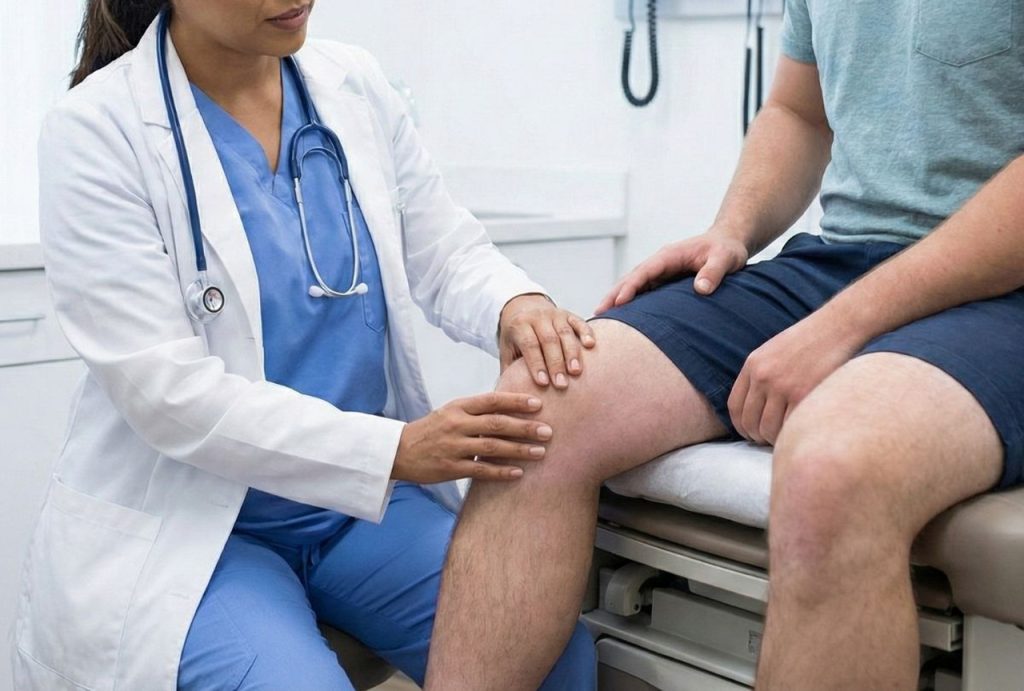
Comprehensive physical exams help determine the severity of injuries. Providers assess strength, range of motion, and stability to guide treatment and recovery plans.
How Quickly Can Treatment Begin?
Urgent care centers are designed for immediate action.
Same-Day Diagnosis
Most patients receive a diagnosis during the same visit. This allows treatment to begin immediately and eliminates uncertainty.
Immediate Pain Management
Pain relief is a priority. Urgent care providers offer medications, immobilization, and supportive care to reduce discomfort and prevent further injury.
The Role of Experience in Sports Injury Care
Experience plays a critical role in successful recovery.
Medical Providers Trained in Sports Injuries
Urgent care providers are trained to recognize injury patterns and understand how sports injuries affect movement and performance. Their experience allows them to provide effective, individualized care.
When Urgent Care Is the Best Choice
Urgent care is ideal for many sports-related injuries.
Non-Life-Threatening Injuries
Sprains, strains, minor fractures, and cuts are well-suited for urgent care treatment.
After-Hours and Weekend Injuries
Sports injuries often occur outside normal office hours. Urgent care centers offer extended hours, making care accessible when it is needed most.
When You Should Go to the Emergency Room Instead
Some injuries require emergency attention.
Severe Trauma and Life-Threatening Conditions
Heavy bleeding, spinal injuries, loss of consciousness, or severe trauma should be treated in an emergency room. Urgent care providers will refer patients when necessary.
Follow-Up Care and Recovery Support
Recovery continues beyond the initial visit.
Referrals and Rehabilitation Guidance
Urgent care providers offer guidance on physical therapy, activity restrictions, and follow-up care to support full recovery and prevent re-injury.
Sports Injury Care in the Mid West Community
Access to local care makes a difference.
Local Access Matters
Having trusted urgent care nearby allows residents of the Mid West to receive prompt treatment and recover more effectively.
Why Choose NextGen Primary Care Clinica Hispana Walk-in Clinic & Urgent Care
Selecting the right provider is an important part of recovery.
Patient-Centered, Fast, and Reliable Care
NextGen Primary Care Clinica Hispana Walk-in Clinic & Urgent Care offers walk-in convenience, experienced providers, diagnostic services, and compassionate care focused on fast, effective recovery for sports injuries.
NextGen Primary Care Clinica Hispana Walk-in Clinic & Urgent Care Serving the Mid West Community and Beyond in Houston
NextGen Primary Care Clinica Hispana Walk-in Clinic & Urgent Care is dedicated to serving the diverse needs of the local community of Houston, including individuals residing in neighborhoods like Mid West. With its convenient location near landmarks such as the Briarmeadow Park and major intersections like Beverly Hill St. and Ann Arbor Dr. (coordinates: 29.73019301718039, -95.50934454470142), we offer Ambetter covered medical clinics services.
Get Ambetter Covered Medical Clinics Services At Mid West Now
Navigate from Mid West to NextGen Primary Care Clinica Hispana Walk-in Clinic & Urgent Care Now
Final Thoughts on Urgent Care for Sports Injuries
Sports injuries require prompt, knowledgeable care. Urgent care provides fast evaluation, effective treatment, and expert guidance without unnecessary delays.
For individuals in the Mid West, NextGen Primary Care Clinica Hispana Walk-in Clinic & Urgent Care delivers dependable sports injury care that helps patients heal safely and return to activity with confidence.
FAQs
1. How fast is urgent care for sports injuries?
Urgent care is built for quick treatment. Most patients with sports injuries are evaluated soon after arrival, often much faster than in an emergency room. In many cases, assessment, diagnosis, and treatment all happen during the same visit, allowing pain relief and care to begin right away.
2. Can urgent care diagnose fractures from sports injuries?
Yes, urgent care can diagnose many sports-related fractures. Many clinics offer on-site X-rays, which allow providers to quickly identify broken bones and begin appropriate treatment. Minor fractures can often be stabilized during the visit, while more complex injuries may be referred for further care.
3. Is urgent care appropriate for youth sports injuries?
Urgent care is a great option for youth sports injuries. Providers regularly treat children and teens for sprains, strains, minor fractures, and cuts. Walk-in access makes it convenient for parents, especially when injuries happen after school or on weekends.
4. What if my sports injury requires a specialist?
Urgent care providers can evaluate the injury first and determine if a specialist is needed. They manage immediate symptoms and provide referrals when appropriate, helping streamline the next steps in care without unnecessary delays.
5. Can urgent care evaluate concussions and head injuries?
Yes, urgent care can evaluate non-severe head injuries and suspected concussions. Providers assess symptoms and perform neurological checks to determine whether rest and monitoring are sufficient or if additional care is required.

Related Posts
Can You Visit an Ambetter Urgent Care Clinic for a Work Physical?

5 Things Ambetter Urgent Care Patients Should Understand First

5 Reasons Same-Day Care Can Save Time
Walk In Anytime. We’re Ready
Whether it’s a sudden illness, minor injury, or something that just can’t wait — we’re here to provide fast, compassionate care when you need it most. No long waits, no unnecessary stress — just quality healthcare, right when it matters.
Convenient
Location
Call or Walk-In.
No Appointment Needed
Extended Hours,
7 Days a Week