
What Conditions Are Better Treated At Urgent Care Than Primary Care?
January 15, 2026
Life rarely goes according to plan. One minute you’re enjoying a weekend hike, and the next, you’ve twisted an ankle. Maybe your child wakes up in the middle of the night with a high fever, or you notice a sudden rash that’s spreading. In those moments, knowing where to go for care—urgent care or primary care—can make all the difference.
In the Mid West, NextGen Primary Care Clinica Hispana Walk-in Clinic & Urgent Care is designed to provide fast, reliable care when you need it most. But deciding which type of care is appropriate isn’t always obvious. Should you wait for a primary care appointment or head straight to urgent care?
Let’s break it down and help you understand when urgent care is the smarter choice.
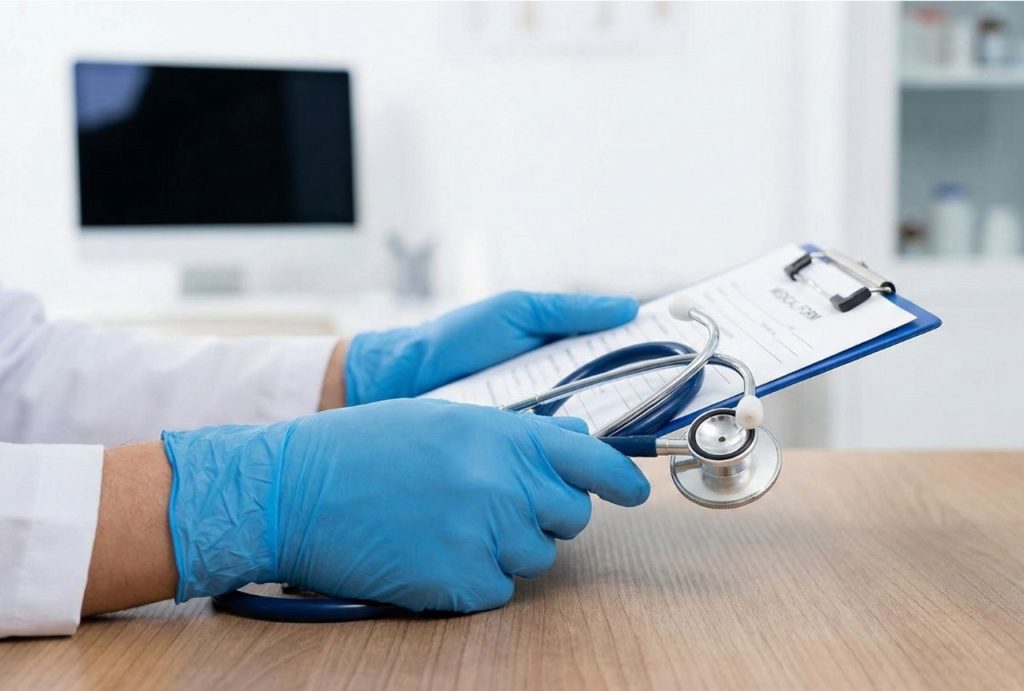
Urgent Care vs. Primary Care: What’s the Difference?
It’s tempting to think all medical visits are the same, but urgent care and primary care serve different purposes. Understanding the distinction is key to getting the right treatment without unnecessary delays.
Primary Care: Your Health Home Base
Your primary care provider is your health quarterback. They track your medical history, manage chronic conditions, and provide preventive care such as vaccinations and routine screenings. Primary care is all about continuity—building a relationship with a healthcare professional who knows you inside and out.
- Manages chronic conditions (diabetes, hypertension, asthma)
- Provides preventive care and health screenings
- Coordinates referrals to specialists when needed
Primary care is essential for long-term health management, but it’s not always the fastest solution when sudden health problems arise.
Urgent Care: Fast, Focused, and Flexible
Urgent care clinics fill a crucial gap in healthcare. They’re designed for situations that require immediate attention but aren’t life-threatening emergencies. Think of them as a pit stop for your health: quick, focused, and efficient.
- Same-day treatment for sudden illnesses
- On-site diagnostic tests like X-rays and labs
- Extended hours, including evenings and weekends
In short, urgent care is ideal when waiting for a primary care appointment could make your condition worse.
Common Conditions Best Treated at Urgent Care
Urgent care clinics are uniquely equipped to handle sudden or unexpected health issues. Here’s a detailed look at the types of conditions where urgent care shines.
Minor Injuries and Sprains
Accidents happen, often when you least expect them. Minor injuries can range from sports-related sprains to small cuts and burns. Urgent care clinics are perfect for quick treatment.
Sprains, Strains, and Sports Injuries
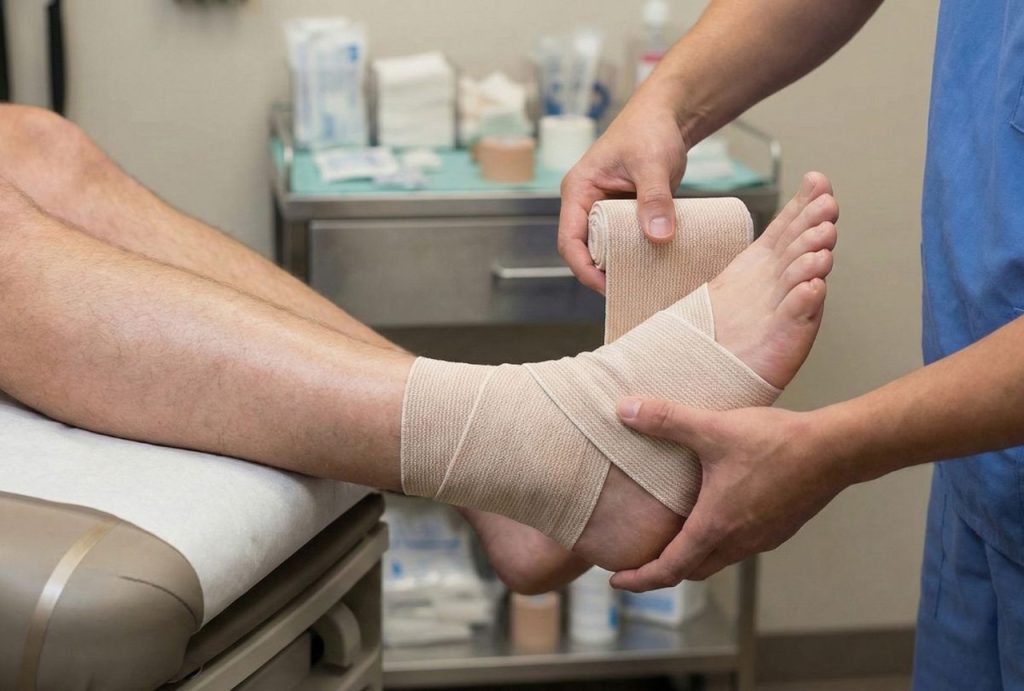
Twisting your ankle, straining a muscle, or pulling a tendon is painful and inconvenient. At urgent care, trained professionals can:
- Examine and assess the injury
- Provide pain management
- Apply splints, bandages, or braces
- Offer referrals to physical therapy if needed
Waiting days for a primary care appointment can delay healing and risk worsening the injury.
Cuts, Lacerations, and Burns
Minor cuts and burns can be more serious than they appear. Urgent care clinics can:
- Clean and disinfect wounds
- Provide stitches or adhesive closures
- Administer tetanus shots if necessary
Primary care offices usually aren’t equipped for acute injuries that require immediate attention. Quick intervention at urgent care can reduce infection risk and speed recovery.
Sudden Illnesses and Infections
Some illnesses strike fast, leaving you uncomfortable and unable to function. Urgent care can help you get back on your feet quickly.
Flu, Cold, and Fever
Flu, strep throat, and other viral or bacterial infections often need prompt treatment. Urgent care clinics can:
- Diagnose infections quickly
- Prescribe medication immediately
- Provide guidance to prevent complications
Waiting for a primary care appointment could mean a longer recovery and higher risk of spreading illness to family or coworkers.
Urinary Tract Infections (UTIs)
UTIs are uncomfortable and sometimes painful, requiring prompt attention. Urgent care can:
- Conduct rapid testing
- Prescribe antibiotics immediately
- Offer tips for prevention and hydration
Delaying treatment can lead to complications like kidney infections, making urgent care the better choice for UTIs.
Allergic Reactions and Respiratory Issues
Allergic reactions and breathing problems can appear out of nowhere. Urgent care is equipped to handle moderate cases effectively.
Mild Asthma Attacks
Asthma flare-ups can be frightening but aren’t always life-threatening. Urgent care can provide inhalers, monitor oxygen levels, and guide you on next steps. Severe attacks, however, always require emergency care.
Allergic Reactions (Non-Life-Threatening)
Hives, mild swelling, or itching from allergens can often be treated quickly at urgent care with antihistamines or other medications. Severe reactions, like difficulty breathing, are emergencies and require immediate attention.
Diagnostic Services and Labs
One advantage of urgent care is access to on-site diagnostic tools. From X-rays to lab tests, urgent care clinics can quickly identify the problem and start treatment.
X-rays, Lab Tests, and Rapid Diagnostics
Urgent care clinics provide rapid testing for:
- Broken bones or fractures
- Infections
- Sudden illnesses needing immediate evaluation
This immediate feedback speeds treatment and reduces stress, ensuring you get care when you need it most.
When Primary Care is the Better Choice
While urgent care is excellent for sudden issues, primary care remains essential for long-term health. Some conditions are best managed with ongoing oversight and routine care.
Chronic Conditions Management
Chronic conditions like diabetes, high blood pressure, and heart disease require continuous monitoring, medication adjustments, and lifestyle counseling. Primary care providers are best equipped for this type of comprehensive, ongoing care.
Preventive Care and Health Screenings
Preventive care is all about stopping problems before they start. Primary care offices handle:
- Routine physicals
- Vaccinations
- Blood pressure, cholesterol, and other screenings
While urgent care addresses immediate issues, primary care is your partner in maintaining long-term health.
Why NextGen Primary Care Clinica Hispana Walk-in Clinic & Urgent Care Is the Best Choice in Mid West
When deciding where to go for care in Mid West, NextGen Primary Care Clinica Hispana Walk-in Clinic & Urgent Care offers unmatched convenience, expertise, and personalized attention.
Convenience and Accessibility
With extended hours and walk-in availability, you don’t have to wait days for treatment. Whether it’s a sudden fever, minor injury, or urgent question about your health, NextGen makes quality care accessible when you need it most.
Expert Care with a Personal Touch
NextGen’s skilled medical professionals provide thorough assessments, personalized treatment plans, and compassionate care. Whether you’re visiting for a sprain, a UTI, or a routine checkup, you’ll feel heard and cared for.
Affordable and Transparent Services
Healthcare shouldn’t be confusing or expensive. NextGen offers clear pricing, accepts most insurance plans, and provides transparent billing so you can focus on getting better instead of worrying about costs.
Tips for Choosing Between Urgent Care and Primary Care
Even with the best clinics around, knowing which type of care to choose can be confusing. Here are practical tips to guide your decision:
Assessing Severity and Timing
Ask yourself: Is this life-threatening? Severe chest pain, difficulty breathing, or major head trauma requires the ER. Is it urgent but manageable? Urgent care is perfect. For long-term or routine care, primary care is your friend.
Insurance and Costs
Urgent care visits can sometimes be more cost-effective than ER visits, especially for non-emergencies. Check your insurance coverage to avoid surprises.
Follow-Up Care Considerations
Urgent care is excellent for immediate relief, but follow-ups with your primary care provider ensure continuity, especially for ongoing or chronic conditions.
NextGen Primary Care Clinica Hispana Walk-in Clinic & Urgent Care Serving the Mid West Community and Beyond in Houston
NextGen Primary Care Clinica Hispana Walk-in Clinic & Urgent Care is dedicated to serving the diverse needs of the local community of Houston, including individuals residing in neighborhoods like Mid West. With its convenient location near landmarks such as the Briarmeadow Park and major intersections like Beverly Hill St. and Ann Arbor Dr. (coordinates: 29.73019301718039, -95.50934454470142), we offer strep throat test urgent care Houston services.
Get Strep Throat Test Urgent Care Services At Mid West Now
Navigate from Mid West to NextGen Primary Care Clinica Hispana Walk-in Clinic & Urgent Care Now
Conclusion
Knowing when to go to urgent care versus primary care can save you time, reduce stress, and prevent your condition from worsening. For sudden illnesses, minor injuries, and quick diagnostics, urgent care is the best option. For chronic conditions, preventive care, and long-term health management, primary care remains essential.
In the Mid West, NextGen Primary Care Clinica Hispana Walk-in Clinic & Urgent Care offers a perfect balance of speed, expertise, and accessibility. Whether it’s a sprained ankle on a Saturday or a routine checkup, you can trust that your health is in capable hands.
FAQs
Q1: Can urgent care handle broken bones?
Yes, urgent care clinics can provide X-rays and initial treatment for minor fractures, but severe breaks may require a specialist or ER visit.
Q2: How long do urgent care visits usually take?
Most visits range from 30 minutes to an hour, depending on the complexity of the condition.
Q3: Do urgent care clinics accept insurance?
Yes, NextGen Primary Care Clinica Hispana Walk-in Clinic & Urgent Care accepts most major insurance plans and provides transparent pricing for self-pay patients.
Q4: Can I see my primary care doctor after visiting urgent care?
Absolutely. Follow-up with your primary doctor ensures continuity of care, especially for chronic conditions or recovery monitoring.
Q5: Are urgent care clinics open on weekends?
Yes, urgent care clinics often have extended hours, including evenings and weekends, which makes them more accessible than many primary care offices.

Related Posts
Which UTI Do You Have? Get Fast Treatment at an Immediate Care Clinic
Can You Visit an Ambetter Urgent Care Clinic for a Work Physical?

5 Things Ambetter Urgent Care Patients Should Understand First
Walk In Anytime. We’re Ready
Whether it’s a sudden illness, minor injury, or something that just can’t wait — we’re here to provide fast, compassionate care when you need it most. No long waits, no unnecessary stress — just quality healthcare, right when it matters.
Convenient
Location
Call or Walk-In.
No Appointment Needed
Extended Hours,
7 Days a Week