
Understanding and Treating Environmental Injuries: Frostbite and Beyond

Immediate Access to Expert Care
NextGen Primary Care provides quick access to skilled professionals who can assess and treat your frostbite right away. No appointment is needed—just walk in and get the care you deserve without the wait.
Safe and Controlled Rewarming Techniques
We offer safe rewarming methods to gradually warm the affected area without the risk of causing further damage or burns. Our team ensures that your skin and tissues are properly cared for during the recovery process.
Wound Care and Infection Prevention
Our medical team offers personalized wound care to prevent infection and helps monitor the healing process. Follow-up appointments are available to ensure proper skin healing and a smooth recovery.
Education and Prevention Tips
In addition to treatment, we educate you on frostbite prevention, helping you recognize early signs and stay protected from cold-related injuries in the future. We provide helpful guidance to avoid frostbite risks going forward.







Environmental injuries are injuries caused by external environmental factors such as extreme temperatures, insects, or exposure to hazardous substances. These injuries can occur in a variety of settings, including outdoor activities, workplace environments, or even at home.
One common environmental injury that occurs during colder weather is frostbite. Frostbite happens when skin and underlying tissues freeze due to prolonged exposure to cold temperatures, especially in areas like the fingers, toes, nose, and ears.
Minor frostbite affects the outermost layers of the skin and can cause symptoms like redness, numbness, and tingling. Though minor frostbite is usually not life-threatening, if left untreated, it can escalate into more severe forms that can cause permanent damage.
Facts About Minor Frostbite

A. Rewarming the Affected Area
The first step in treating minor frostbite is gently rewarming the affected area. This should be done using warm water, with a temperature range of 100°F to 104°F (37°C to 40°C). It’s important to avoid hot water, heating pads, or open flames, as these can cause burns and further damage to the skin. Rewarming should be gradual to avoid shocking the body and causing additional harm.
It is critical not to rub the frostbitten area, as this can lead to further damage to the skin and the underlying tissues. Gently rewarming the area allows blood flow to return to the skin and promotes healing without causing additional stress on the affected area.

B. Pain Management
As blood flow returns to the affected area, pain and discomfort may occur. Over-the-counter pain relievers such as ibuprofen or acetaminophen can help alleviate mild to moderate pain. These medications work by reducing inflammation and relieving discomfort.
For more severe pain, prescription medications may be required to manage discomfort during the rewarming process and recovery period. It’s important to consult with a healthcare provider at NextGen Primary Care for the appropriate pain management plan tailored to your needs.

C. Protecting the Affected Area
To prevent further injury and contamination, it is important to keep the frostbitten area protected. Gently wrap the area in a clean, dry cloth or sterile dressing to safeguard the skin from additional trauma. Movement should be minimized to avoid causing further damage and to promote proper healing.
At NextGen Primary Care, our healthcare professionals will guide you on how to protect the frostbitten area, including instructions on how to care for the area at home and when to seek further medical attention. Taking these precautions is essential for reducing complications and ensuring a smooth recovery.
The Risk of Frostbite and Environmental Injuries
Frostbite is most commonly associated with extremely cold climates or winter months. However, even during milder temperatures, frostbite can occur if there is prolonged exposure to freezing conditions, particularly in windy or wet environments. Early identification and treatment are essential to prevent further tissue damage.
In addition to frostbite, other cold-related injuries, such as hypothermia, can develop and be just as dangerous. Recognizing the signs of frostbite and seeking immediate medical attention is critical for reducing long-term effects and ensuring proper healing.
At NextGen Primary Care, we provide immediate evaluation and treatment for frostbite to prevent it from progressing. Our team of medical professionals ensures proper care to help you recover quickly and safely from cold-related injuries.

Causes and Risk Factors for Minor Frostbite
A. Prolonged Exposure to Cold
One of the primary causes of minor frostbite is prolonged exposure to temperatures below 32°F (0°C). This typically occurs during activities such as walking, working, or playing outdoors in freezing weather without adequate clothing. The longer the skin is exposed to cold temperatures, the higher the risk of frostbite, especially in the most vulnerable areas of the body, like the fingers, toes, nose, and ears.
The risk of frostbite increases significantly when the skin is wet. Wearing damp clothing, gloves, or socks allows cold temperatures to penetrate the skin more quickly. Wetness conducts heat away from the body faster than dry clothing, making it easier for the skin to freeze even in moderately cold conditions.
By understanding these causes and risk factors, individuals can take appropriate precautions to reduce the likelihood of frostbite, such as wearing proper clothing and taking breaks to warm up when in cold conditions.

How NextGen Can Help with Minor Frostbite
A. Immediate Assessment and Diagnosis
When you visit NextGen Primary Care for a potential frostbite injury, our experienced medical professionals quickly assess the severity of the condition. We use advanced diagnostic tools to evaluate the extent of frostbite and determine whether it is in the early stages or more severe. Based on this assessment, we can develop the most appropriate treatment plan to ensure that your injury heals properly and does not progress to a more serious condition.
Our team is trained to monitor for potential complications that may arise from frostbite, such as infections or tissue damage, so you can rest assured that you are receiving the best care available.
Importance of Early Treatment for Minor Frostbite
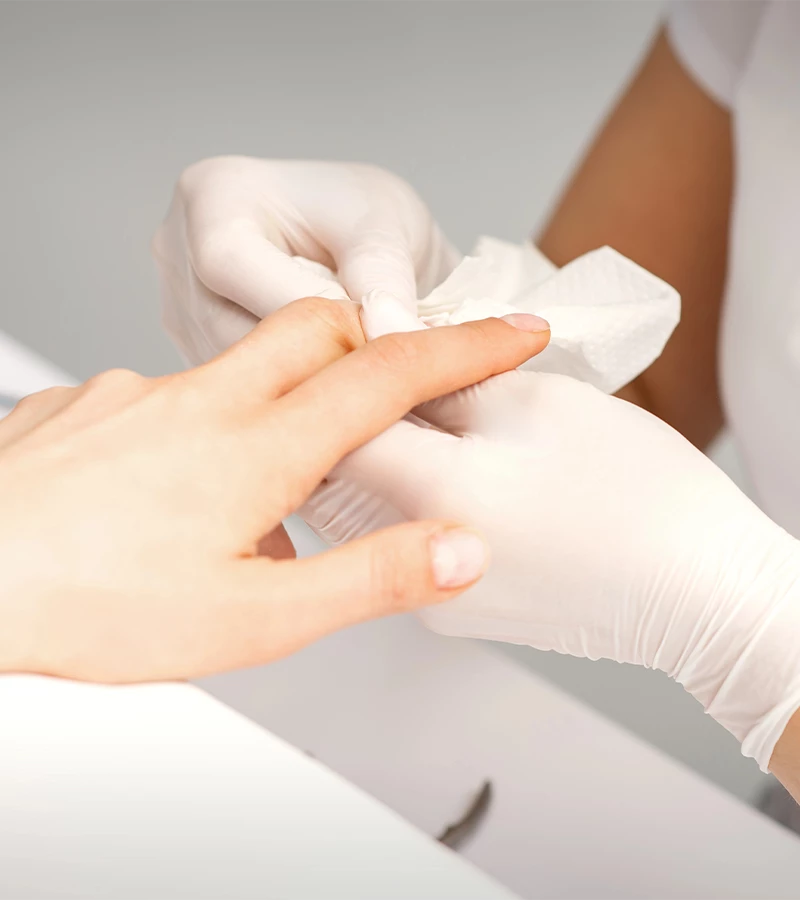
Facts About Minor Frostbite
Patient Testimonials
At NextGen Primary Care, our patients are at the heart of everything we do. We’re deeply grateful for the trust they’ve placed in us, and we’re honored to hear about the positive experiences they’ve had with our compassionate care, quick service, and dedicated team. Here’s what a few of our patients have shared about their time with us:

I’ve been searching for a family doctor who truly cares about my family’s health, and I finally found that at NextGen Primary Care. I took my son in for a routine physical, and I was blown away by how thorough and attentive the doctor was. They answered all my questions and made sure we felt completely comfortable. The staff was friendly and welcoming, and the entire experience was smooth and stress-free. I’m so grateful to have found a place that truly prioritizes patient care.



I had an urgent health issue last weekend, and I didn’t know where to go. Thankfully, I found NextGen Primary Care, and they got me in right away. The doctor was so caring and made sure I understood my condition and treatment options. I was in and out quickly, and I left feeling so relieved. The convenience of weekend urgent care is such a huge help for busy families like mine. I’m so thankful for the compassionate care I received, and I’ll definitely return if I need urgent care again.

I’ve always dreaded going to the doctor, but my experience at NextGen Primary Care completely changed that. From the moment I walked in, I was greeted by a friendly staff, and the doctor took the time to listen to my concerns. I had a physical exam, and the doctor explained every detail to me in a way that was easy to understand. I felt completely at ease, and I left the clinic feeling confident and cared for. It’s hard to find a doctor who truly listens, and I’m so happy to have found one here.
Contact Us
At NextGen Primary Care, we understand the importance of accessible healthcare, which is why we offer convenient hours and flexible scheduling. Our clinic is here to serve you, whether you need urgent care, primary care, or specialized treatment.
Address
6306 Gulfton St #203,
Houston, TX 77081
Consultation Schedule
Monday To Saturday
9:00 AM – 5:00 PM
Get in Touch
Phone: 281-888-7289
Email: info@nextgenpcp.com
Follow Us
Immediate Care for Burns: Why Timely Treatment is Essential
Minor frostbite may seem like a small concern, but if left untreated or ignored, it can lead to serious complications. The key to preventing further damage is early intervention and proper care. At NextGen Primary Care, we understand the urgency of treating environmental injuries like frostbite and are dedicated to providing immediate, expert care to help you recover quickly and safely.
Our team is committed to diagnosing, treating, and managing minor frostbite, offering personalized treatment plans that include rewarming techniques, pain management, and protective wound care. We also provide education to help you prevent future frostbite and other cold-related injuries, ensuring that you can safely enjoy outdoor activities during cold weather.
Walk-in appointments
available—no need to wait for an appointment.
Quick and accurate assessments
to detect and manage blood pressure issues.
Personalized care plans
to support your long-term heart health.
If you suspect you or someone else is suffering from minor frostbite, don’t hesitate—NextGen Primary Care is here to help.
Visit us today for prompt and effective treatment to prevent further complications and get back to feeling your best.