
What Services Does a Family Clinic Provide for Patients of All Ages?
March 10, 2026
Healthcare works best when it’s simple, accessible, and built around long-term relationships. Instead of visiting multiple specialists for different health concerns, many families prefer a single trusted clinic that can handle most of their healthcare needs. That’s where family clinics play an essential role.
Family clinics provide comprehensive medical care for patients throughout every stage of life—from newborns and children to adults and seniors. These clinics focus not only on treating illness but also on preventing health problems and supporting long-term wellness.
For families living in Shenandoah, access to a reliable healthcare provider can make everyday life much easier. Clinics like NextGen Primary Care Clinica Hispana offer a broad range of services that help individuals stay healthy, treat illnesses promptly, and manage chronic conditions effectively.
In this guide, we’ll explore the wide range of services family clinics provide and how they support the health of entire communities.
Understanding the Role of a Family Clinic
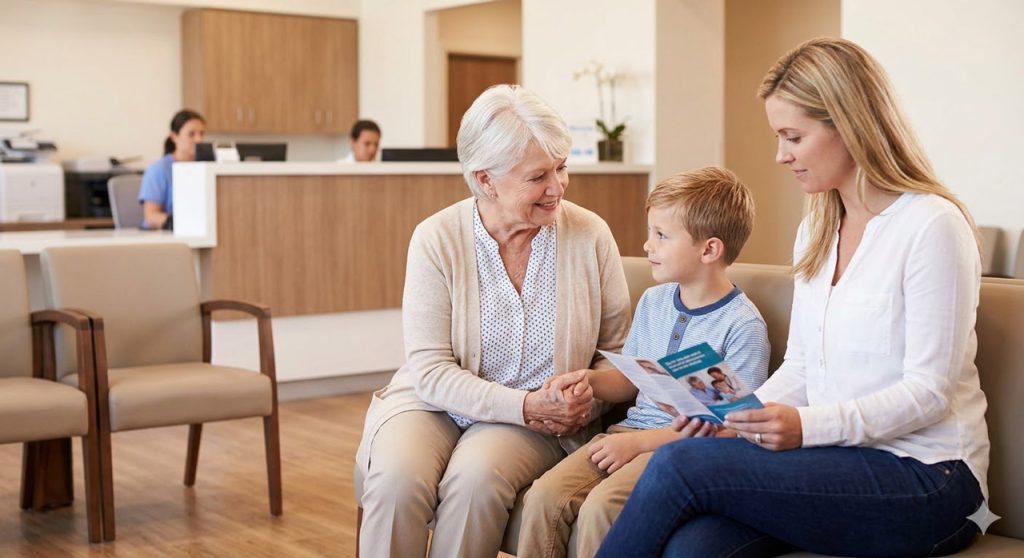
A family clinic is designed to be a central hub for healthcare, offering primary medical services to people of all ages. Think of it as the healthcare equivalent of a trusted family mechanic—someone who understands your history, notices small issues before they become major problems, and helps keep everything running smoothly.
Unlike specialized medical centers that focus on a specific type of care, family clinics take a whole-person approach. They consider a patient’s lifestyle, medical history, family background, and overall wellness when making healthcare decisions.
This continuity of care helps physicians identify patterns in a patient’s health and provide more accurate diagnoses and effective treatments.
Why Family Clinics Are Essential for Communities
Family clinics serve as the foundation of community healthcare. They are often the first place patients go when they experience symptoms, need preventive care, or simply want reassurance about a health concern.
Without family clinics, many patients would rely heavily on emergency rooms for routine medical issues. This would not only increase healthcare costs but also create overcrowded hospitals.
Family clinics improve community health by:
- Offering preventive services that reduce disease risk
- Providing early diagnosis for serious conditions
- Delivering affordable and accessible healthcare
- Building long-term relationships with patients
In many ways, family clinics function like health guardians for the community, helping residents stay healthy and guiding them toward appropriate care when specialized treatment is necessary.
Who Can Visit a Family Clinic?
One of the biggest advantages of a family clinic is that it treats patients of all ages.
This includes:
- Infants and newborns
- Toddlers and school-age children
- Teenagers
- Adults
- Seniors
This wide age range allows physicians to understand how health conditions may affect entire families. For example, if a doctor notices patterns of high blood pressure or diabetes in a family, they can help younger members adopt preventive habits early.
Family clinics also create a sense of familiarity and trust. Many patients continue visiting the same clinic for years, allowing healthcare providers to track health changes over time and offer personalized guidance.
Preventive Care Services
Preventive care is the cornerstone of family medicine. Rather than waiting for health problems to appear, doctors focus on preventing disease before it develops.
This proactive approach can significantly improve quality of life and reduce healthcare costs.
Preventive services typically include:
- Routine checkups
- Health screenings
- Lifestyle counseling
- Immunizations
When patients stay consistent with preventive care, they are far more likely to catch potential health issues early.
Routine Physical Exams
Routine physical exams are essential for maintaining overall health. These exams allow doctors to assess a patient’s current health status and identify potential warning signs.
During a physical exam, physicians may:
- Check blood pressure and heart rate
- Measure weight and body mass index (BMI)
- Review medical history
- Discuss lifestyle habits such as diet, exercise, and sleep
These checkups serve as a baseline measurement of a patient’s health. If something changes later—such as elevated blood pressure or abnormal lab results—doctors can quickly identify the difference.
For many patients, these exams also provide an opportunity to ask questions about symptoms, medications, or preventive strategies.
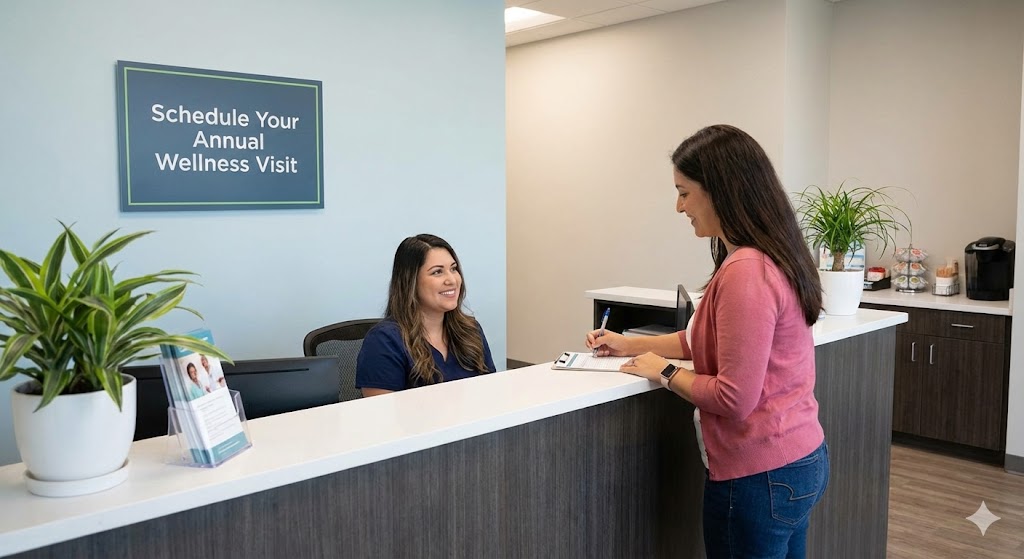
Annual Wellness Visits
Annual wellness visits act as a yearly health review. These appointments go beyond a simple checkup by focusing on preventive strategies and long-term health goals.
During these visits, doctors often:
- Update vaccination records
- Review family medical history
- Recommend screenings based on age
- Evaluate lifestyle habits
For example, a doctor may recommend cholesterol screenings for adults over a certain age or bone density tests for older adults.
Think of an annual wellness visit as a roadmap for your health, helping guide decisions that can improve longevity and quality of life.
Vaccinations and Immunizations
Vaccinations are one of the most effective ways to prevent infectious diseases. Family clinics provide immunizations for patients of all ages, ensuring communities remain protected from outbreaks.
Common vaccines provided include:
- Childhood immunizations
- Flu shots
- COVID-19 vaccines
- Tetanus boosters
- Travel vaccines
Vaccinations not only protect individuals but also contribute to herd immunity, which helps safeguard vulnerable populations such as infants, seniors, and individuals with weakened immune systems.
Pediatric Care for Children and Infants
Children require specialized care because their bodies grow and change rapidly. Family clinics offer pediatric services that monitor a child’s health from infancy through adolescence.
Pediatric care focuses on:
- Growth and development
- Preventive care
- Vaccinations
- Treatment for childhood illnesses
Regular pediatric visits ensure that children remain healthy and reach developmental milestones on schedule.
Childhood Vaccination Schedules
Vaccination schedules help protect children from serious illnesses during their early years.
These vaccines defend against diseases such as:
- Measles
- Polio
- Diphtheria
- Whooping cough
- Hepatitis
Doctors carefully follow recommended vaccination timelines to ensure children receive protection when they are most vulnerable.
Parents often appreciate the convenience of having pediatric vaccinations handled by the same clinic that provides care for the rest of the family.
Developmental Screenings
Developmental screenings help doctors track how children grow physically, emotionally, and cognitively.
During these evaluations, physicians assess:
- Speech and language development
- Motor skills and coordination
- Social interaction
- Learning ability
Early detection of developmental delays can make a huge difference. With early intervention programs and supportive therapies, children can overcome challenges and thrive.
Adult Primary Care Services
Adults often juggle multiple responsibilities—from work and family obligations to financial stress and lifestyle challenges. These factors can affect physical and mental health.
Family clinics provide primary care services that address common adult health concerns while promoting long-term wellness.
Chronic Disease Management
Chronic diseases are long-term health conditions that require ongoing care. Family physicians play a key role in helping patients manage these conditions effectively.
Common chronic conditions treated include:
- Diabetes
- High blood pressure
- Asthma
- Heart disease
Doctors help patients manage these illnesses through medication monitoring, lifestyle recommendations, and regular follow-up appointments.
Managing chronic diseases is similar to maintaining a garden—consistent care and monitoring help prevent problems from spreading.
Health Screenings and Diagnostics
Health screenings are critical tools for detecting diseases before symptoms appear.
Common screenings include:
- Blood pressure checks
- Cholesterol testing
- Diabetes screening
- Cancer screenings
Early detection dramatically increases treatment success rates. For example, identifying high blood pressure early can prevent heart attacks or strokes later.
Women’s Health Services
Women experience unique health challenges throughout their lives, including reproductive health, hormonal changes, and pregnancy-related concerns.
Family clinics offer many services that support women’s health at every stage of life.
Preventive Screenings
Preventive screenings play an essential role in early detection of conditions such as cervical cancer or breast abnormalities.
These services may include:
- Pap smears
- Breast exams
- HPV testing
Regular screenings allow doctors to detect potential health concerns early, often before symptoms appear.
Reproductive and Hormonal Health
Family clinics also support women’s reproductive health by providing guidance and treatment related to:
- Birth control options
- Menstrual irregularities
- Hormonal imbalances
- Fertility discussions
These services help women maintain reproductive health while making informed decisions about family planning.
Senior Care and Geriatric Services
As people age, their healthcare needs become more complex. Seniors often require additional monitoring and support to maintain their independence and quality of life.
Family clinics provide geriatric care that focuses on managing age-related health conditions.
Managing Age-Related Conditions
Common health issues among seniors include:
- Arthritis
- Osteoporosis
- Memory disorders
- Cardiovascular disease
Family physicians help seniors manage these conditions through regular checkups, medication adjustments, and lifestyle counseling.
Maintaining senior health is about preserving independence while addressing potential health risks.
Walk-In and Urgent Care Services
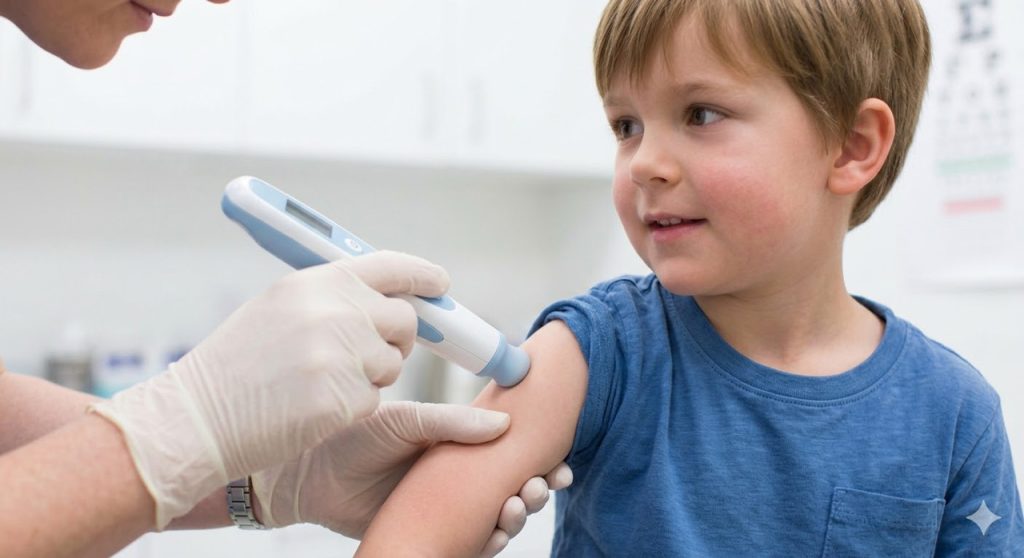
Life doesn’t always follow a schedule, and health issues can arise unexpectedly. Many family clinics offer walk-in and urgent care services to treat non-emergency conditions quickly.
This convenient option helps patients avoid long emergency room waits.
Minor Illness Treatment
Family clinics frequently treat common illnesses such as:
- Colds and flu
- Ear infections
- Allergies
- Sinus infections
These conditions may not require emergency care but still benefit from prompt treatment.
Minor Injury Care
Doctors at family clinics can treat minor injuries such as:
- Cuts and lacerations
- Sprains and strains
- Minor burns
- Small fractures
Quick treatment helps prevent complications and speeds recovery.
Diagnostic and Lab Testing
Accurate diagnosis often depends on laboratory testing. Many family clinics provide in-house diagnostic services that allow physicians to quickly evaluate a patient’s condition.
Blood Tests and Imaging
Common diagnostic tests include:
- Blood panels
- Urinalysis
- Rapid infection tests
- Cholesterol screenings
Having these services available within the clinic allows doctors to provide faster results and quicker treatment decisions.
NextGen Primary Care Clinica Hispana in Shenandoah
Residents in Shenandoah can receive comprehensive healthcare services through NextGen Primary Care Clinica Hispana. The clinic focuses on delivering accessible, high-quality medical care for individuals and families.
Patient-Focused Healthcare
The clinic prioritizes personalized care by considering each patient’s medical history, lifestyle, and healthcare goals. Providers take the time to listen carefully to patient concerns and create treatment plans tailored to each individual’s needs.
Convenient Walk-In Access
With walk-in availability, patients can receive medical care without complicated scheduling or long wait times. This flexibility is especially helpful for busy families who need quick and reliable healthcare services.
Telemedicine and Virtual Visits
Telemedicine allows patients to consult with healthcare providers from the comfort of their homes.
Virtual visits are ideal for:
- Follow-up consultations
- Minor illnesses
- Prescription refills
Telehealth services provide convenience while maintaining professional medical care.
Benefits of Choosing a Family Clinic
Choosing a family clinic offers numerous benefits:
- Continuity of care
- Personalized treatment
- Convenient healthcare access
- Preventive health focus
These advantages make family clinics an essential part of modern healthcare systems.
NextGen Primary Care Clinica Hispana Serving the Shenandoah Community and Beyond in Houston
NextGen Primary Care Clinica Hispana is dedicated to serving the diverse needs of the local community of Houston, including individuals residing in neighborhoods like Shenandoah. With its convenient location near landmarks such as the San Mateo Episcopal Church and major intersections like Chetwood Dr and Dashwood Dr (coordinates: 29.707709977858624, -95.4782787345888), we offer family clinic Houston services.
Get Family Clinic Houston Services at Shenandoah Now
Navigate from Shenandoah to NextGen Primary Care Clinica Hispana Now
Conclusion
Family clinics provide comprehensive healthcare services that support patients throughout every stage of life. From preventive checkups and pediatric care to chronic disease management and urgent medical treatment, these clinics serve as a reliable healthcare foundation for families.
For residents in Shenandoah, clinics such as NextGen Primary Care Clinica Hispana offer convenient, patient-centered care designed to promote long-term health and wellness.
FAQs
1. What is the main purpose of a family clinic?
A family clinic provides comprehensive healthcare services for patients of all ages, focusing on prevention, diagnosis, and treatment.
2. Do family clinics provide urgent care services?
Yes, many family clinics offer walk-in and urgent care for minor illnesses and injuries.
3. Can children receive treatment at a family clinic?
Yes, family clinics provide pediatric care including vaccinations, physical exams, and developmental screenings.
4. Do family clinics treat chronic conditions?
Yes, family doctors help patients manage chronic diseases such as diabetes and hypertension.
5. Are preventive health screenings available?
Most family clinics offer screenings for conditions such as high blood pressure, cholesterol, and diabetes.

Related Posts
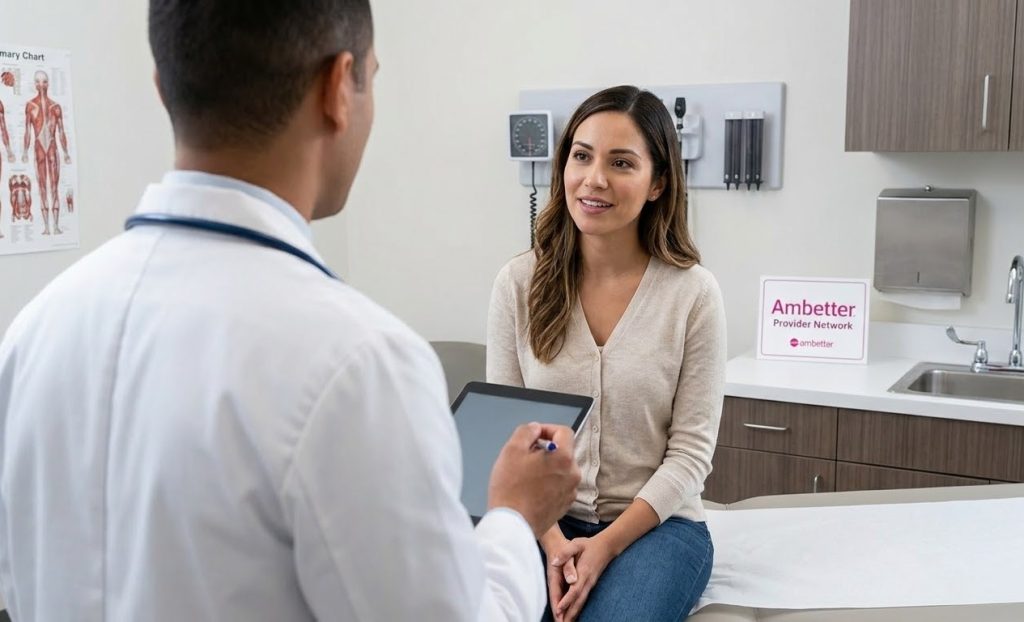
Why Many Patients Choose Ambetter Accepted Doctors For Primary Care
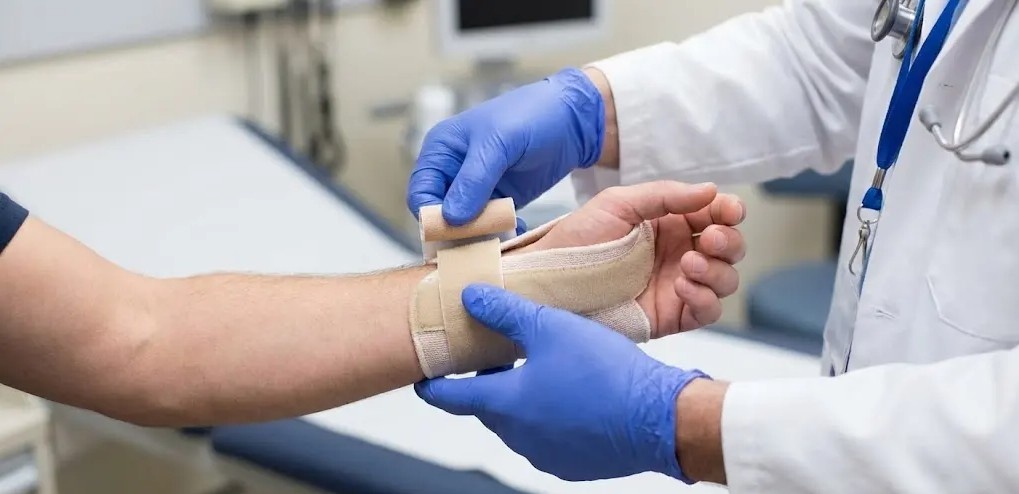
Can A No Appointment Doctor Treat Minor Injuries
Does A Primary Care Doctor Provide Annual Exams
Walk In Anytime. We’re Ready
Whether it’s a sudden illness, minor injury, or something that just can’t wait — we’re here to provide fast, compassionate care when you need it most. No long waits, no unnecessary stress — just quality healthcare, right when it matters.
Convenient
Location
Call or Walk-In.
No Appointment Needed
Extended Hours,
7 Days a Week