
Are Urgent Care and ER the Same?
September 25, 2025
When you feel unwell or get injured, one of the biggest questions is: Should I go to urgent care or the emergency room (ER)? At first glance, both sound like places that treat health problems quickly, but they are not the same.
Each serves a different purpose, with its own set of services, staff, and costs. Understanding these differences can save you time, money, and unnecessary stress. Let’s break it down step by step.
What Is an Emergency Room (ER)?
The ER, often called the emergency department, is the hospital’s front line for life-threatening and complex medical emergencies. If something happens that could threaten your life, limb, or long-term health within minutes to hours, the ER is where you should go.
ERs are open 24/7, equipped with specialized doctors, nurses, and equipment to handle serious conditions. Think of it as a command center built for the most urgent medical crises.
Typical Services You’ll Find in an ER
Emergency rooms handle problems ranging from traumatic accidents to sudden medical collapses. Services typically include:
- Advanced Imaging: CT scans, MRIs, ultrasounds, and full X-ray suites.
- Critical Labs: Rapid cardiac enzymes, blood gases, and infection markers.
- Complex Procedures: Intubation, chest tubes, blood transfusions, advanced wound repair.
- Surgical Access: Immediate access to surgeons, operating rooms, and ICU care.
These services allow ER teams to stabilize patients and start treatment immediately for conditions that can’t wait.
Who Staffs an ER and How They Work
ER teams include:
- Emergency physicians
- Trauma and critical care nurses
- Physician assistants and nurse practitioners
- Respiratory therapists
- Radiology and lab technicians
- On-call surgeons and specialists
They work under a triage system, where the most critical patients are treated first. For example, someone with chest pain gets seen before someone with a sprained ankle, even if they arrived later.

What Is Urgent Care?
Urgent care centers fill the gap between your primary care provider and the ER. They treat problems that are urgent but not life-threatening.
Picture urgent care like a neighborhood clinic designed for speed. You walk in, get checked, treated, and walk out—usually without the long waits or high costs of the ER.
Common Services at Urgent Care Centers
Urgent care clinics typically offer:
- X-rays for minor fractures or sprains
- Lab tests for flu, strep, COVID-19, and UTIs
- Treatment for coughs, colds, sinus infections, bronchitis
- Stitches for small cuts
- Splints and bandages for sprains or simple fractures
- Vaccinations and physicals
This makes urgent care ideal for common health issues that can’t wait days for a doctor’s appointment.
Who Staffs Urgent Care and How They Operate
Urgent care teams usually include:
- Family medicine physicians or ER-trained doctors
- Physician assistants and nurse practitioners
- Nurses and medical assistants
Their goal is efficiency. You’re seen quickly, given tests or treatment on-site, and discharged with instructions. If a serious issue is found, they’ll stabilize you and transfer you to the ER.
Major Differences Between ER and Urgent Care
While both treat urgent health concerns, their scope is very different. Here’s how they compare:
Medical Severity and Triage
- ER: For life-threatening or severe emergencies like chest pain, stroke symptoms, or severe trauma.
- Urgent Care: For stable but uncomfortable issues such as infections, sprains, or minor cuts.
Diagnostic Equipment and Tests
- ER: Full imaging (CT, MRI, ultrasound), comprehensive labs, surgical access.
- Urgent Care: X-rays, rapid tests, and basic labs.
Cost, Billing, and Insurance Implications
- ER: Higher costs due to hospital facility fees and specialist access. Even insured patients may face steep co-pays or deductibles.
- Urgent Care: Lower costs, often similar to a doctor’s office visit. Most insurance plans cover urgent care with minimal co-pays.
Wait Times and Patient Experience
- ER: Waits can stretch hours if your issue is not critical.
- Urgent Care: Typically faster because they treat non-life-threatening issues.
When to Go to the ER – Clear Red Flags
ER care is critical when waiting could cause permanent harm or death. Examples include:
- Severe chest pain or pressure
- Sudden difficulty breathing
- Stroke symptoms: slurred speech, weakness, confusion
- Uncontrolled bleeding
- Severe head or spine injuries
- Loss of consciousness
- Major trauma from accidents or falls
- Severe allergic reactions
Examples: Chest Pain, Severe Bleeding, Altered Mental Status
If you suddenly feel crushing chest pain and shortness of breath, that’s ER territory. If you accidentally cut your finger while cooking and it won’t stop bleeding, you may also need ER-level care. These are problems that can escalate in minutes.
When Urgent Care Makes More Sense – Fast, Convenient Care
Urgent care is perfect when you need treatment soon, but you’re not in immediate danger. Go here for:
- Ear infections or sinus infections
- Minor burns or cuts needing stitches
- Sprains and strains
- Mild asthma flare-ups
- Flu-like symptoms or fevers without severe breathing problems
- Simple fractures that don’t need surgery
Examples: Minor Fractures, Colds, Uncomplicated Infections
If you twist your ankle and it swells, urgent care can X-ray it, provide a brace, and send you home. If you catch a cold or sore throat, urgent care provides fast relief without an expensive ER visit.
How Triage Works in ER vs Urgent Care
- ER: Uses a strict triage system. Critical patients go first.
- Urgent Care: First come, first served, unless they detect an emergency requiring immediate ER transfer.
This explains why wait times differ so much.
Pediatric, Pregnant, and Elderly Patients – Special Considerations
Certain groups need extra caution:
- Children: High fevers, breathing trouble, or dehydration can become emergencies quickly.
- Pregnant Patients: Abdominal pain, heavy bleeding, or sudden swelling may require ER evaluation.
- Older Adults: They may show subtle signs of serious illness, like confusion instead of chest pain during a heart attack.

Telemedicine, Urgent Care Chains, and On-Demand Options
Telemedicine is growing fast. Many urgent care centers now offer video visits for simple issues like colds, UTIs, or rashes. If the clinician suspects a bigger issue, they’ll direct you to urgent care or the ER.
Location and Access – Using Local Clinics in Shenandoah
Knowing your local options saves time. In Shenandoah, residents have access to urgent care clinics that provide same-day care without the high ER cost. Keep both your nearest ER and urgent care mapped out, you don’t want to waste time in an emergency.
NextGen Primary Care Clinica Hispana Walk-in Clinic & Urgent Care
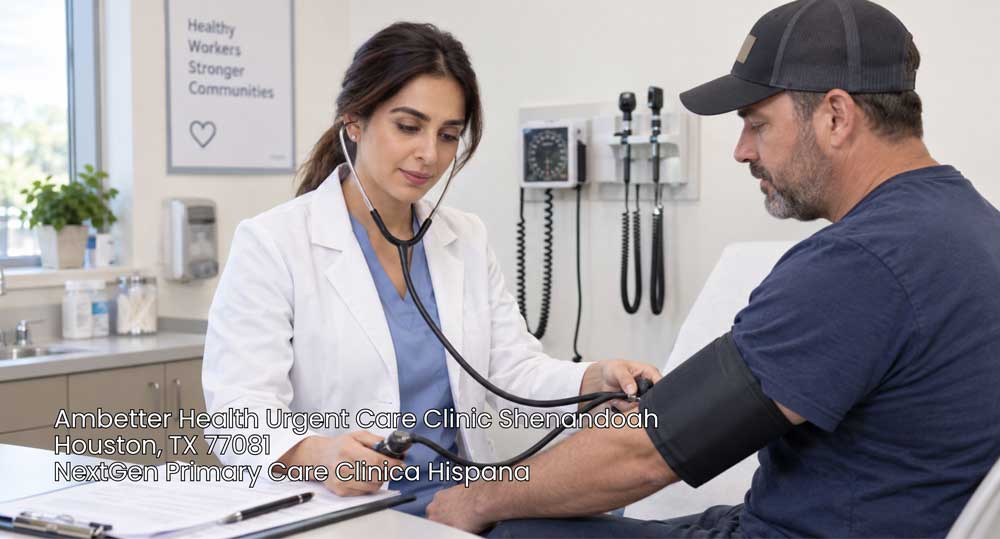
For those in Shenandoah, NextGen Primary Care Clinica Hispana Walk-in Clinic & Urgent Care is a trusted choice. This clinic combines walk-in urgent care with primary care services, meaning you can treat both acute problems and long-term health needs under one roof.
Services Offered at NextGen in Shenandoah
- Walk-in urgent care for illnesses and injuries
- X-rays and lab tests on-site
- Vaccinations and chronic disease management
- Bilingual staff for Spanish-speaking patients
- Affordable pricing and insurance-friendly care
How to Prepare for a Visit at NextGen
Bring your ID, insurance card, medication list, and a clear description of your symptoms. Arriving prepared speeds up your evaluation and ensures accurate care.
How Transfers Work – When Urgent Care Sends You to the ER
Sometimes, urgent care identifies a serious issue and transfers you. They may call ahead to the ER, arrange ambulance transport, and share your medical records to avoid delays. This teamwork ensures you get the right care as quickly as possible.
Cost-Control Tips and How to Avoid Surprise Bills
- Use urgent care for non-life-threatening problems.
- Know your insurance network and urgent care copays.
- Ask for a cost estimate when possible.
- Use telemedicine for minor issues.
- Don’t delay ER visits for money if you have true red-flag symptoms.
Common Myths and Misconceptions
- Myth: Urgent care can handle everything the ER can.
- Truth: Urgent care can’t handle major trauma or life-threatening issues.
- Truth: Urgent care can’t handle major trauma or life-threatening issues.
- Myth: ER visits are always better quality.
- Truth: ERs focus on emergencies; urgent care is better for fast, non-critical needs.
- Truth: ERs focus on emergencies; urgent care is better for fast, non-critical needs.
- Myth: Insurance won’t cover an ER visit if it’s not an emergency.
- Truth: Coverage depends on your plan. Always review your policy.
- Truth: Coverage depends on your plan. Always review your policy.
Quick Decision Checklist – Choosing ER vs Urgent Care
Ask yourself:
- Am I having chest pain, trouble breathing, or stroke symptoms? → ER
- Is my problem uncomfortable but stable (like a sprain or infection)? → Urgent Care
- Am I unsure but worried? → When in doubt, go to the ER or call 911.
NextGen Primary Care Clinica Hispana Walk-in Clinic & Urgent Care Serving the Shenandoah Community and Beyond in Houston
NextGen Primary Care Clinica Hispana Walk-in Clinic & Urgent Care is dedicated to serving the diverse needs of the local community of Houston, including individuals residing in neighborhoods like Shenandoah. With its convenient location near landmarks such as the Benavidez Elementary School and major intersections like Gulfton St. & Westward St. (coordinates: 29.716704099999987, -95.4938099), we offer Ambetter primary care physician services.
Get Ambetter Primary Care Physician Services at Shenandoah Now
Navigate from Shenandoah to NextGen Primary Care Clinica Hispana Walk-in Clinic & Urgent Care Now
Making the Right Choice for Your Health
ERs and urgent care clinics are not the same. The ER manages life-threatening emergencies, while urgent care provides fast, affordable treatment for less severe problems. In Shenandoah, NextGen Primary Care Clinica Hispana Walk-in Clinic & Urgent Care offers a reliable local option for non-emergency care, bridging the gap between urgent needs and long-term health.
Knowing the difference between ER and urgent care means you’ll make smarter, faster decisions when health problems strike.
FAQs
1. Can urgent care treat broken bones?
Yes, urgent care can treat simple fractures with X-rays and splints. Complicated fractures may require ER care.
2. How much does urgent care cost compared to the ER?
Urgent care visits usually cost far less than ER visits, often similar to a doctor’s office co-pay. ER visits can cost hundreds to thousands, even with insurance.
3. Can urgent care handle kids’ health problems?
Yes, we can treat common pediatric issues like ear infections or minor injuries. But severe symptoms like difficulty breathing or dehydration, should go to the ER.
4. What if I go to urgent care and they can’t treat me?
We’ll stabilize you and transfer you to the ER, often calling ahead to reduce wait times.
5. Should I keep both urgent care and ER options saved on my phone?
Absolutely. Having contact info and directions ready ensures you won’t waste time deciding when minutes matter.

Related Posts
Can You Visit an Ambetter Urgent Care Clinic for a Work Physical?

5 Things Ambetter Urgent Care Patients Should Understand First

5 Reasons Same-Day Care Can Save Time
Walk In Anytime. We’re Ready
Whether it’s a sudden illness, minor injury, or something that just can’t wait — we’re here to provide fast, compassionate care when you need it most. No long waits, no unnecessary stress — just quality healthcare, right when it matters.
Convenient
Location
Call or Walk-In.
No Appointment Needed
Extended Hours,
7 Days a Week