
Think You’re Too Healthy for a Checkup? 5 Things You Should Know Before Your Checkup. Sharpstown
May 20, 2026
The Illusion of Feeling “Perfectly Fine”
Many people in Houston, especially in busy communities like Sharpstown, delay medical visits because everything feels normal. No pain. No fatigue. No obvious warning signs. That comfort can be misleading.
The human body rarely sends loud signals in the early stages of illness. Most conditions begin quietly. They develop under the surface while daily life continues as usual. By the time discomfort shows up, the condition may already need more attention than expected.
Feeling healthy does not always mean being healthy. That gap between perception and reality is where preventive care becomes important.
The Hidden Truth About “Feeling Healthy”
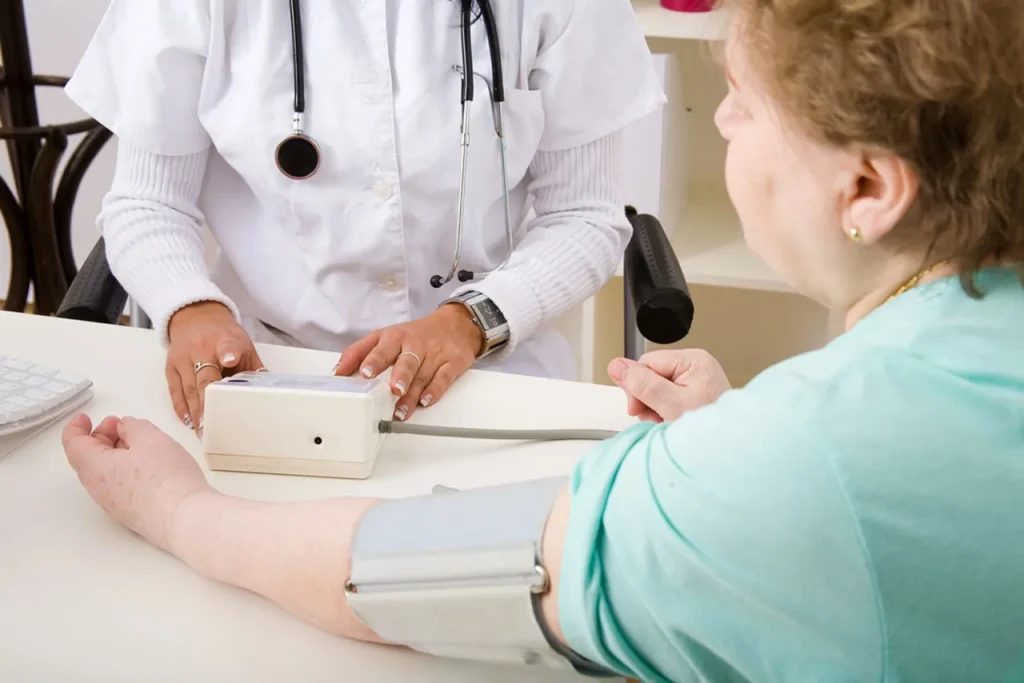
A strong body can mask early imbalances. Blood pressure can rise without symptoms. Blood sugar can climb without notice. Cholesterol can build up quietly inside arteries while energy levels remain stable.
People often assume health equals the absence of pain. Medicine sees it differently. Health reflects internal balance, not just comfort.
Regular checkups help reveal what daily life hides. They give a clearer view of how organs, hormones, and metabolism actually function.
Silent Conditions That Develop Early
Some of the most common long-term conditions start quietly:
- High blood pressure with no visible symptoms
- Early-stage type 2 diabetes
- High cholesterol levels affecting arteries
- Thyroid imbalance influencing energy and weight
- Early heart disease with no warning pain
These conditions often progress for years before detection. Early discovery changes everything. Treatment becomes simpler, recovery improves, and long-term damage reduces.
Why Annual Checkups Still Matter in Houston
Houston lifestyle patterns influence health more than most people realize. Long commutes, demanding work schedules, and fast-paced routines shape daily habits. Meals get rushed. Sleep gets shortened. Stress builds quietly.
A yearly checkup acts like a checkpoint. It tracks how the body responds to lifestyle over time. Instead of guessing, patients get clear data about what is happening inside.
Preventive care gives direction. It shows what needs attention before problems grow.
Lifestyle Risks In Urban Living
Urban environments like Houston come with health challenges that often go unnoticed:
- Sedentary routines from long office hours
- Fast food dependence due to convenience
- Irregular sleep from stress or workload
- High daily stress levels from traffic and responsibilities
- Limited time for exercise or recovery
These factors do not cause immediate illness. They build risk slowly. A checkup helps measure the impact before it becomes serious.
Sharpstown Residents and Preventive Care Gaps
Sharpstown reflects a diverse and hardworking community in Houston. Many residents focus heavily on work, family, and financial responsibilities. Health often moves lower on the priority list.
Medical visits tend to happen only when symptoms appear. That delay creates gaps in preventive care. Small issues remain unnoticed until they grow into larger concerns.
Routine checkups help close that gap and bring awareness back into focus.
Common Reasons People Skip Checkups
Several reasons explain why people avoid regular medical visits:
- Lack of time due to busy schedules
- Concerns about medical costs
- Belief that care is only needed when sick
- Fear of test results
- Simple habit of postponing appointments
These reasons feel practical in the moment. Over time, they can lead to missed early warnings that matter for long-term health.
5 Things You Should Know Before Your Checkup
A checkup becomes more valuable when you understand its purpose. It is not just a routine appointment. It is a full review of your internal health status.
1. Your Body Changes Quietly Over Time
The body never stays the same. Even without symptoms, gradual changes happen year after year.
Weight shifts slightly. Blood pressure may rise. Hormone levels adjust based on age, stress, and lifestyle. These changes feel small at first but often signal bigger trends.
A checkup tracks these patterns over time. That timeline helps doctors understand what is normal for you specifically, not just general averages.
2. Lab Tests Reveal Hidden Risks
Bloodwork often uncovers what physical feelings cannot.
Common tests include:
- Cholesterol panels
- Blood sugar levels
- Liver and kidney function
- Vitamin and mineral levels
- Hormone balance checks
These results give a deeper look inside the body. A person may feel fine while lab results show early warning signs. That contrast is where prevention begins.
3. Family History Plays A Bigger Role Than Expected
Genetics influence health more than most people realize. Family patterns often repeat across generations.
If parents or siblings had conditions like heart disease, diabetes, or high blood pressure, risk levels increase. That does not mean the same outcome is guaranteed. It means awareness becomes essential.
Doctors use family history to personalize care plans. That information shapes screening schedules and preventive steps.
4. Stress Impacts Physical Health More Than You Think
Stress does not stay in the mind. It affects the entire body.
It can:
- Raise blood pressure
- Disrupt sleep cycles
- Affect digestion
- Lower immune response
- Increase fatigue levels
Many people in Houston live with ongoing stress without noticing its physical effects. A checkup helps connect those patterns. Small symptoms often trace back to long-term stress exposure.
5. Early Detection Saves Money And Health
Preventive care reduces long-term medical costs. Treating conditions early usually requires simpler methods. Waiting often leads to complex treatments and longer recovery periods.
A routine visit may feel unnecessary at first glance. Over time, it can prevent expensive hospital visits and advanced procedures.
Early detection protects both health and finances.
What Happens During a Primary Care Checkup
A checkup follows a structured process designed to evaluate overall health.
It begins with a conversation. The doctor asks about lifestyle, symptoms, family history, and daily habits. This helps build a full health profile.
Next comes the physical examination.
Physical Examination Basics
During the exam, the provider typically checks:
- Blood pressure
- Heart rate
- Breathing patterns
- Weight and height
- General physical condition
These simple measurements give important insight into overall wellness. Even small changes over time help identify trends early.
Preventive Screenings You May Not Expect
Depending on age and risk level, a doctor may recommend:
- Diabetes screening
- Cholesterol testing
- Cancer screenings
- Thyroid function tests
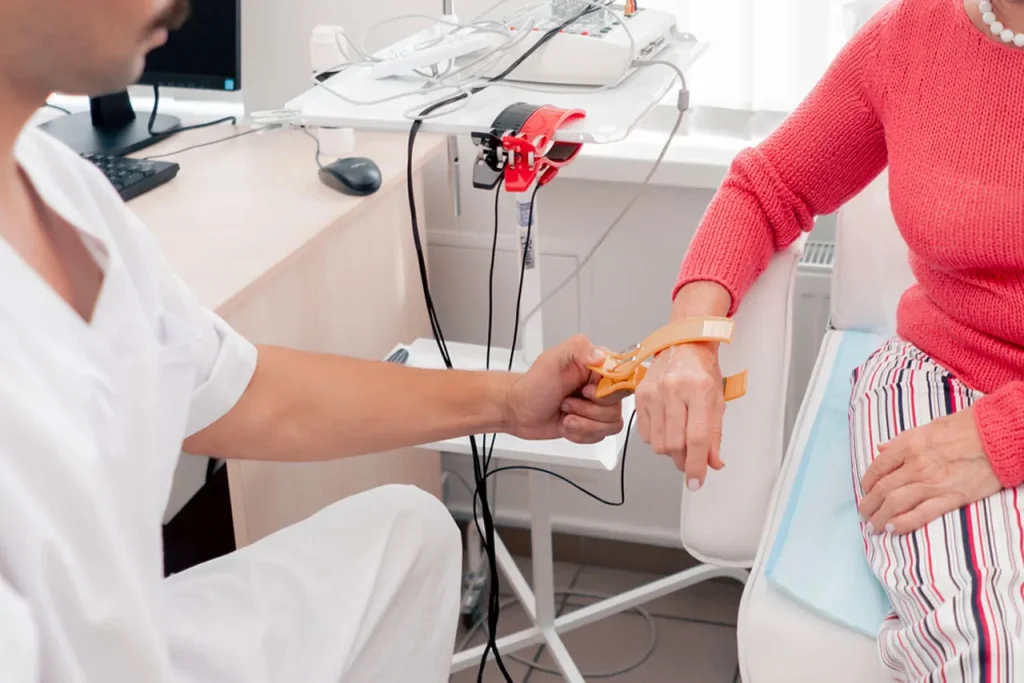
- Heart health assessments
These screenings help detect conditions before symptoms appear. That early insight often changes outcomes significantly.
NextGen Primary Care Clinica Hispana in Houston
NextGen Primary Care Clinica Hispana serves Houston residents with accessible healthcare focused on both prevention and immediate medical needs. The clinic supports patients in Sharpstown and surrounding neighborhoods by offering walk-in services and primary care under one roof.
Patients benefit from care that does not require long waiting times or complicated scheduling. The clinic supports ongoing health monitoring, preventive screenings, and urgent concerns in a single convenient setting.
Why Local Care Improves Outcomes
Local access to healthcare changes how quickly people respond to symptoms. When care feels close and available, patients seek help earlier.
Early visits often lead to:
- Faster diagnosis
- Simpler treatment plans
- Reduced complications
- Better long-term health tracking
Proximity removes hesitation. That small shift improves overall outcomes.
Building a Long-Term Health Strategy
Health works best when treated as a long-term plan rather than a reaction to symptoms.
A single checkup provides insight. Consistent visits build a pattern. That pattern helps doctors understand how your body changes across time.
Long-term health depends on awareness, not luck.
Small Habits That Protect Long-Term Health
Daily choices shape future health outcomes:
- Drinking enough water supports metabolism
- Balanced meals stabilize energy levels
- Regular movement protects heart health
- Quality sleep restores body function
- Stress management supports immune strength
These habits strengthen what checkups reveal. Together, they create a stable foundation for long-term wellness.
Why People in Sharpstown Benefit from Routine Checkups
Sharpstown residents manage busy routines, often balancing multiple responsibilities at once. That pace makes preventive care easy to overlook.
Regular checkups provide structure. They create a moment to pause, review health status, and adjust habits before problems develop.
That small investment of time often leads to better energy, fewer medical surprises, and stronger long-term health stability.
NextGen Primary Care Clinica Hispana Serving the Sharpstown Community and Beyond in Houston
NextGen Primary Care Clinica Hispana is dedicated to serving the diverse needs of the local community of Houston, including individuals residing in neighborhoods like Sharpstown. With its convenient location near landmarks such as the Madrasah Islamiah and major intersections like Bintliff Dr & De Moss Dr (coordinates: 29.707710481237605, -95.50416401030873), we offer annual physical exam Houston services.
Get Annual Physical Exam at Sharpstown Now
Navigate from Sharpstown to NextGen Primary Care Clinica Hispana Now
Why Staying Ahead of Symptoms Matters More Than Feeling Healthy
Feeling healthy does not always reflect what is happening inside the body. Many conditions develop quietly over time without obvious signs. Routine checkups help uncover those hidden risks and guide better decisions.
Residents in Sharpstown and across Houston gain real value from preventive care. A simple visit supports early detection, smarter lifestyle choices, and long-term peace of mind. Health improves most when attention starts early, not after symptoms appear.
FAQs
1. How often should a healthy person get a checkup?
Most adults benefit from a yearly checkup to track changes and identify early risks.
2. What should I bring to my medical appointment?
Bring a list of medications, family medical history, and any recent health concerns.
3. Do I need lab tests even if I feel fine?
Doctors may still recommend lab work based on age, risk factors, and medical history.
4. Can stress really cause physical illness?
Long-term stress affects blood pressure, sleep, digestion, and immune strength.
5. What makes preventive care important in Houston?
Fast-paced lifestyles and environmental stressors make early detection especially important for long-term health stability.

Related Posts

Can You Visit an Ambetter Urgent Care Clinic for a Work Physical?

5 Things Ambetter Urgent Care Patients Should Understand First

5 Reasons Same-Day Care Can Save Time
Walk In Anytime. We’re Ready
Whether it’s a sudden illness, minor injury, or something that just can’t wait — we’re here to provide fast, compassionate care when you need it most. No long waits, no unnecessary stress — just quality healthcare, right when it matters.
Convenient
Location
Call or Walk-In.
No Appointment Needed
Extended Hours,
7 Days a Week